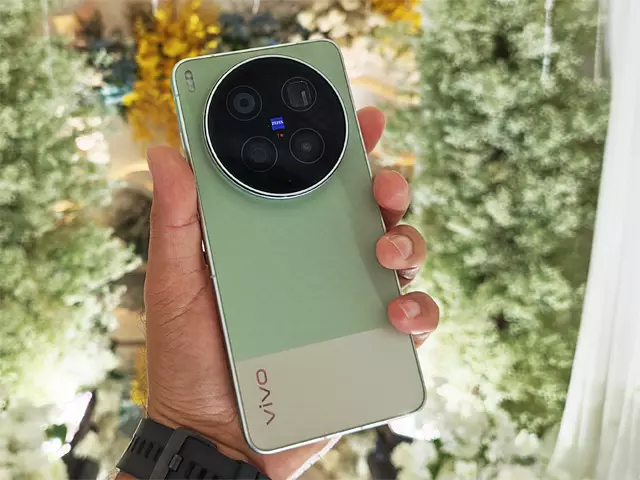
Upon unboxing the vivo X300 Ultra and seeing its massive rear camera system, I immediately knew this was going to be a beast of a smartphone camera.
I spent nearly a month using it as my daily driver, capturing photos and videos in different scenarios, testing its performance, playing games, and experiencing everything it has to offer as vivo’s latest flagship.
Here’s my full review, including the things I loved (spoiler alert: it’s the cameras!) and a few areas where I think vivo can still improve.
DESIGN and BUILD QUALITY
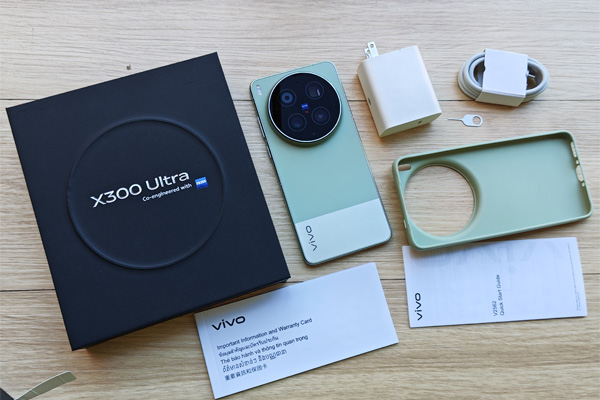
vivo X300 Ultra unboxing
With all the camera technology packed inside the vivo X300 Ultra, it’s no surprise that it has a massive camera bump. That’s simply the reality of today’s “Ultra” flagship smartphones.
The circular camera island has knurled sides and resembles the lens of a full-size camera. It immediately gives the phone its own identity. It’s so large that I can actually pick up the phone by holding the camera bump alone. The downside is that the phone doesn’t sit completely flat on a table and rocks slightly when used without a case.
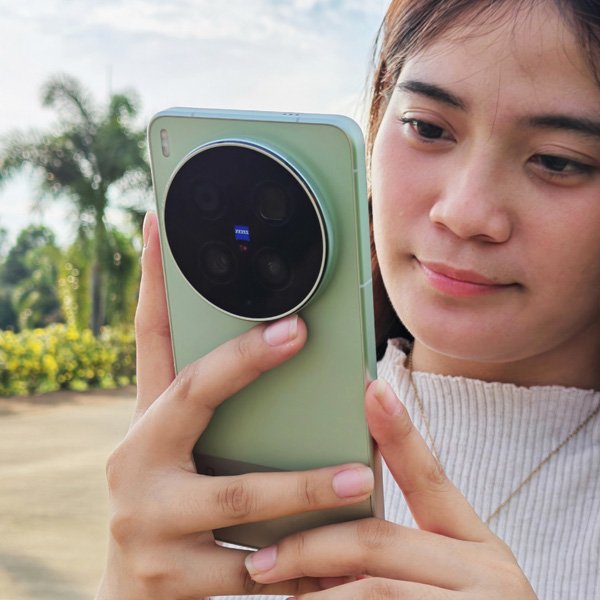
Despite the large camera module, the rest of the phone remains manageable. It measures 8.49mm thick and weighs 237 grams. It isn’t exactly light, but it still feels comfortable to hold. The weight also gives it a reassuringly solid and premium feel.
The vivo X300 Ultra is available in only one color in the Philippines: Steppe Green. It has a soft-touch back panel with a subtle two-tone finish. The back feels premium and doesn’t attract fingerprints easily. vivo also includes a color-matched protective case in the box. The phone itself is already rated IP69 for dust and water resistance.
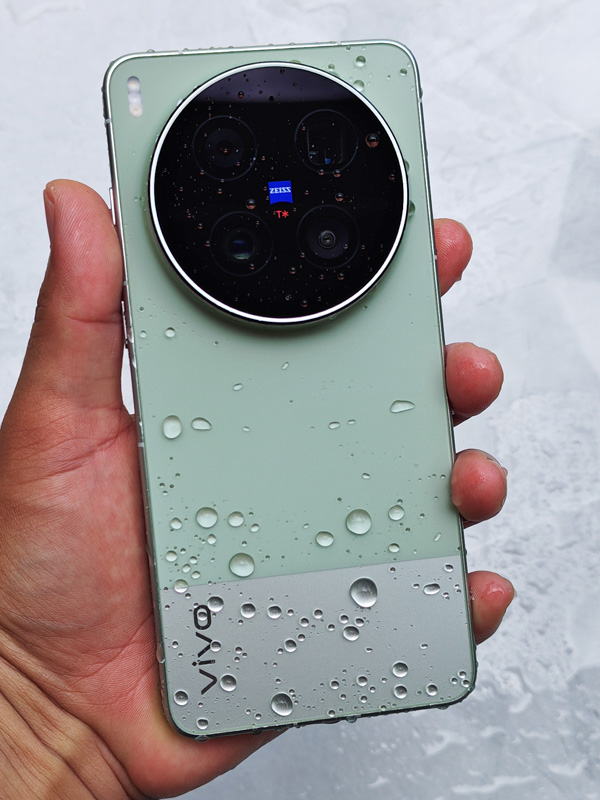
The volume rocker and power button are positioned on the right side of the frame. There’s no dedicated camera shutter button unlike some other camera-focused flagship smartphones, including its predecessor, the vivo X200 Ultra. It wasn’t something I personally missed, but some users may appreciate having a physical shutter button for taking photos and recording videos.
Overall, the vivo X300 Ultra looks and feels exactly like an ultra-premium smartphone should. It’s large, solidly built, and clearly designed with photography as its main focus.
DISPLAY and AUDIO

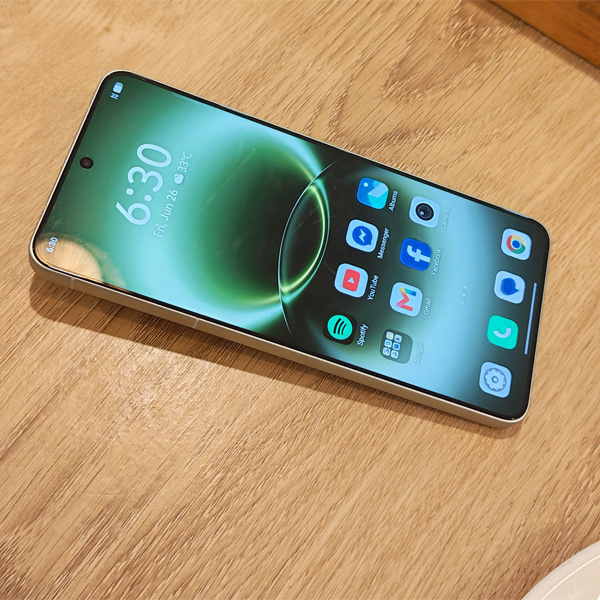
The vivo X300 Ultra has a large 6.82-inch QHD+ AMOLED display with an adaptive refresh rate of up to 144Hz. Everything feels incredibly smooth, from scrolling through social media to switching between apps. The LTPO panel also lowers the refresh rate automatically to help conserve battery life when a high refresh rate isn’t needed.
The display can reach up to 4,500 nits of peak brightness when playing HDR content. Videos look vibrant with excellent contrast. It also supports Dolby Vision and HDR playback in streaming apps like Netflix. Even under the noontime sun, I had no trouble viewing the display outdoors.
For extended use, vivo includes several eye protection features that automatically adjust the display based on the surrounding lighting conditions. It also uses circular polarization to make viewing more comfortable.
The stereo speakers are loud and clear. They’re more than enough for watching videos, playing games, or casually listening to music. Bass is decent, although it’s still no substitute for a good pair of speakers or headphones. I still prefer using TWS earbuds or USB Type-C earphones whenever I want to enjoy high-resolution audio.
PERFORMANCE
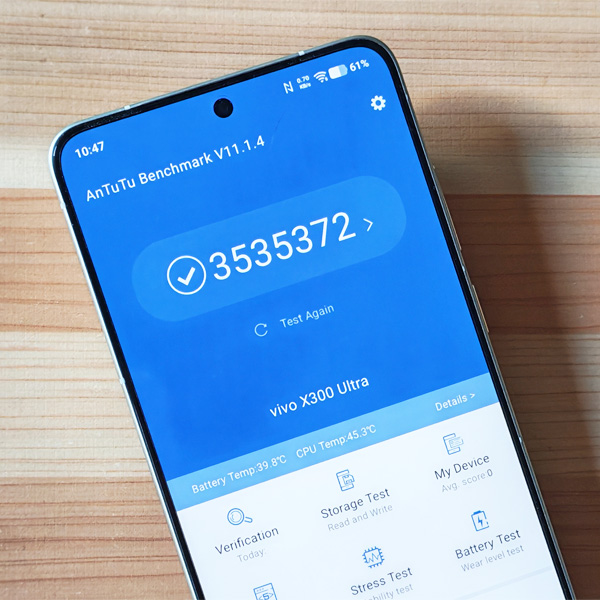
The vivo X300 Ultra is powered by the Qualcomm Snapdragon 8 Elite Gen 5 chipset paired with 16GB of RAM. As expected from a flagship smartphone, performance is excellent. Apps launch almost instantly, multitasking is effortless, and I never encountered any slowdowns during my review period.
Raw performance is no longer the biggest concern for flagship smartphones. They’re all incredibly fast. What matters more is how well they handle sustained workloads.
During my testing, the vivo X300 Ultra maintained its performance even after long gaming sessions. It became warm at times, but I rarely noticed any thermal throttling. The only time the phone prompted me to lower the recording resolution was after continuously shooting videos for an extended period.
It scored 3,535,372 points in AnTuTu, 3,465 in Geekbench 6 single-core, and 9,506 in Geekbench 6 multi-core.
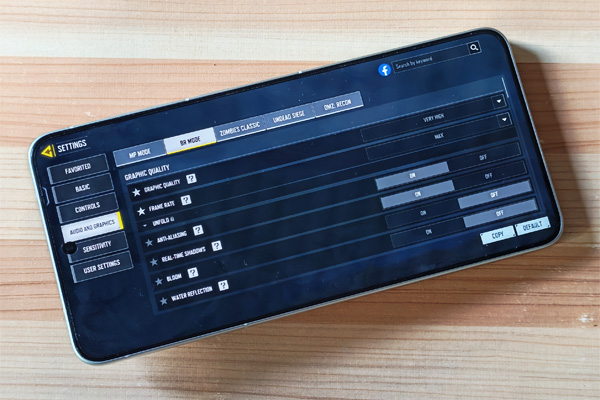
Gaming performance is equally impressive. Call of Duty: Mobile (CODM) ran smoothly at the highest graphics settings and frame rate. I played several battle royale matches without experiencing any lag or noticeable frame drops.
CAMERA
The vivo X300 Ultra has a beast of a camera system. It captures impressive photos and videos across different shooting scenarios while offering enough manual controls and professional features for enthusiasts who want to go beyond point-and-shoot photography.
Let’s start with the 50MP ultrawide camera. It’s great for landscapes, architecture, and group shots. It produces detailed images with vibrant colors in daylight and also performs surprisingly well at night. It retains a good amount of detail with controlled noise, making it easy to switch between the ultrawide and main camera without a noticeable drop in image quality.

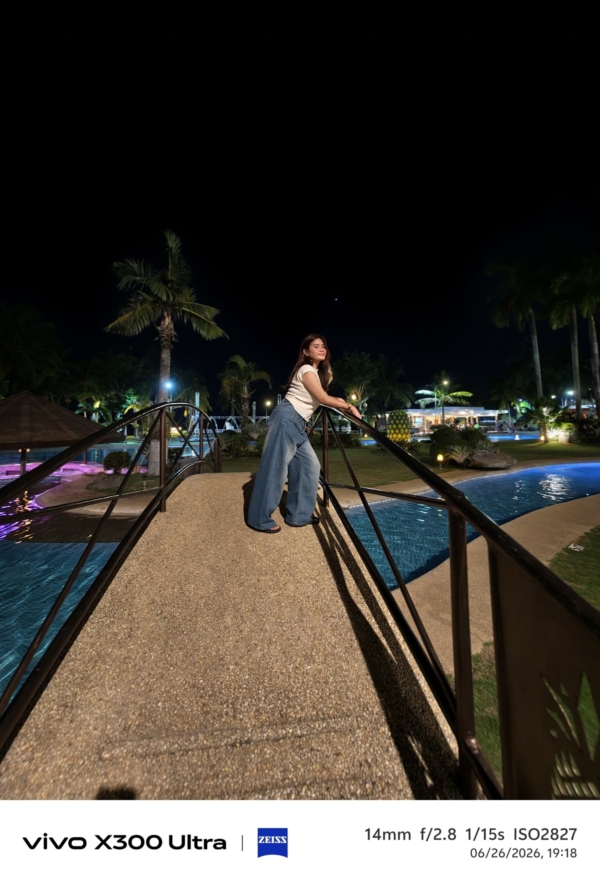


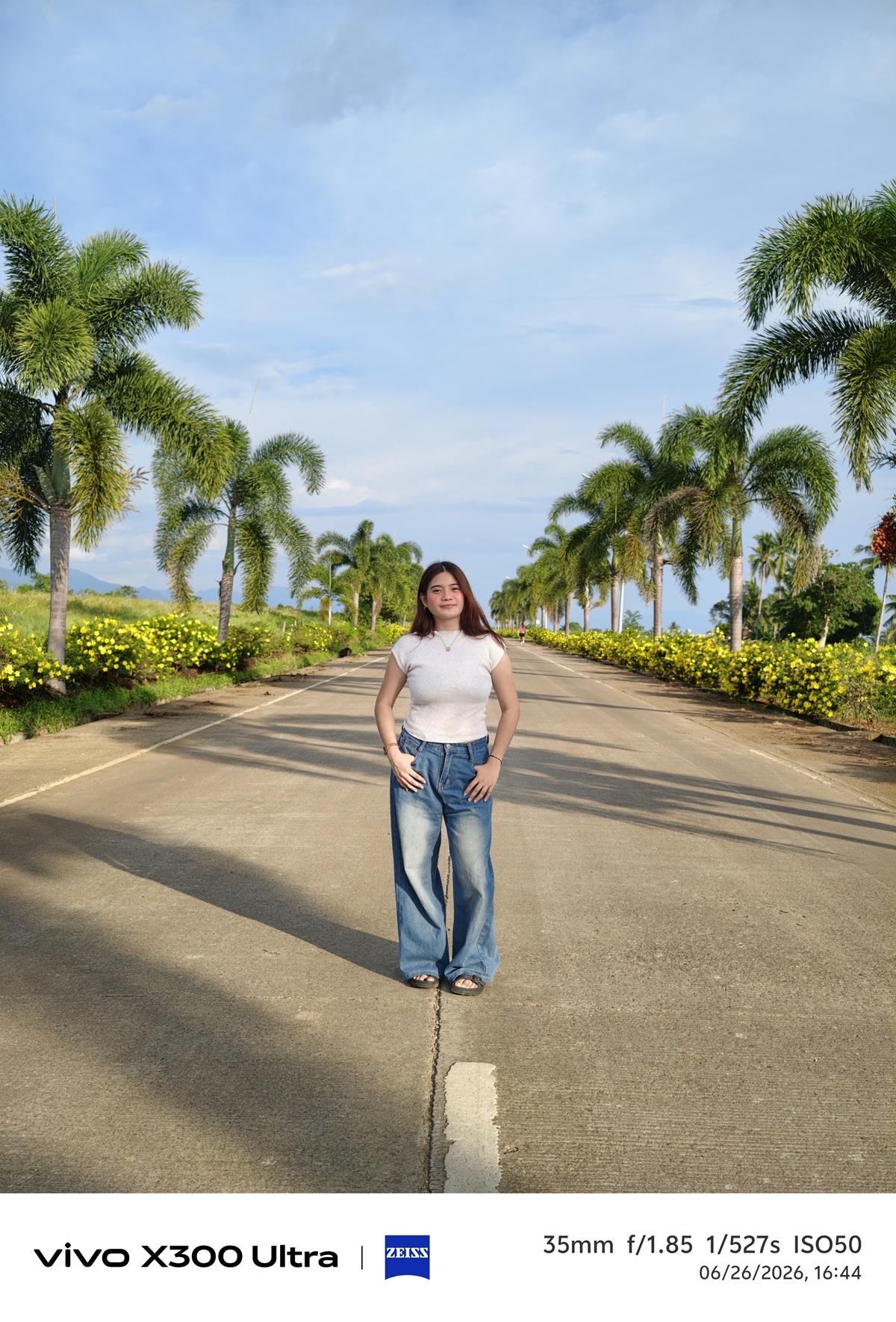
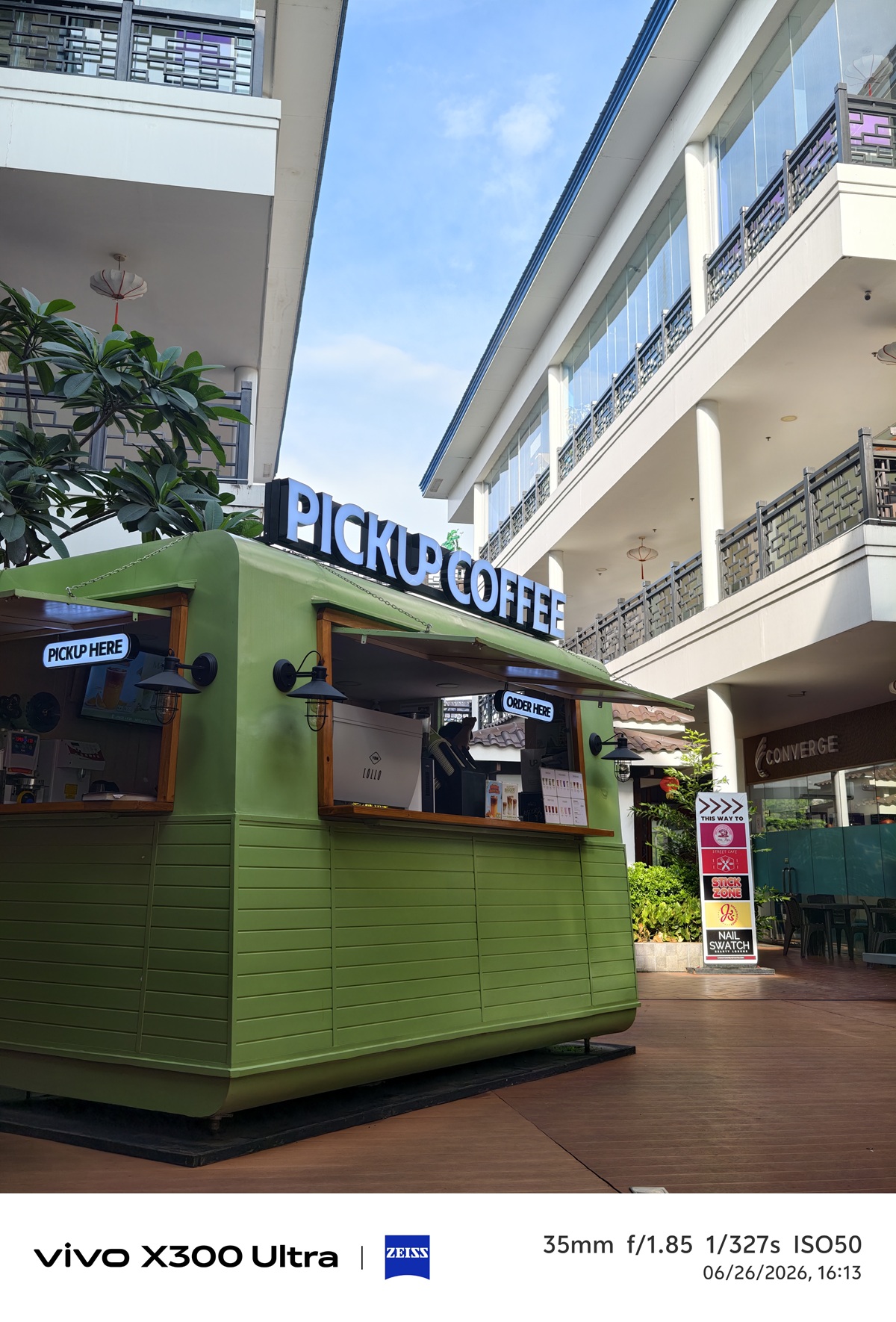
Next is the 200MP main camera, which uses a 35mm equivalent focal length that vivo calls its “documentary camera.” I actually prefer this over the more common 24mm focal length. It’s much easier to capture natural-looking photos of people while still including enough of the surroundings without introducing too much distortion.
Image quality is exactly what I’d expect from a flagship smartphone. Photos are sharp, detailed, and vibrant. Dynamic range is excellent, allowing the camera to preserve detail in both highlights and shadows. The camera is dependable whether I’m shooting under bright sunlight or at night. Even the flash produces natural-looking results without blowing out highlights.



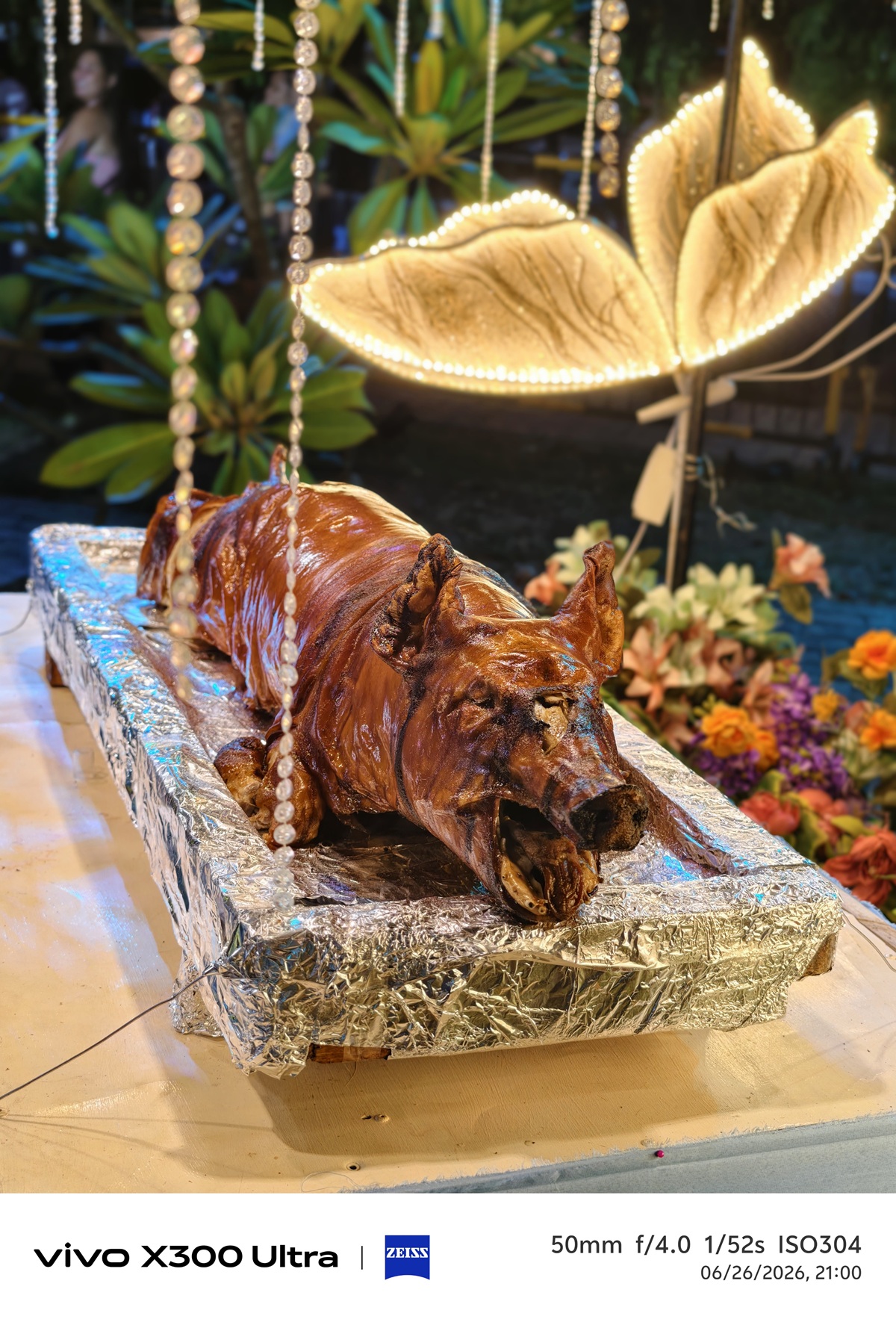

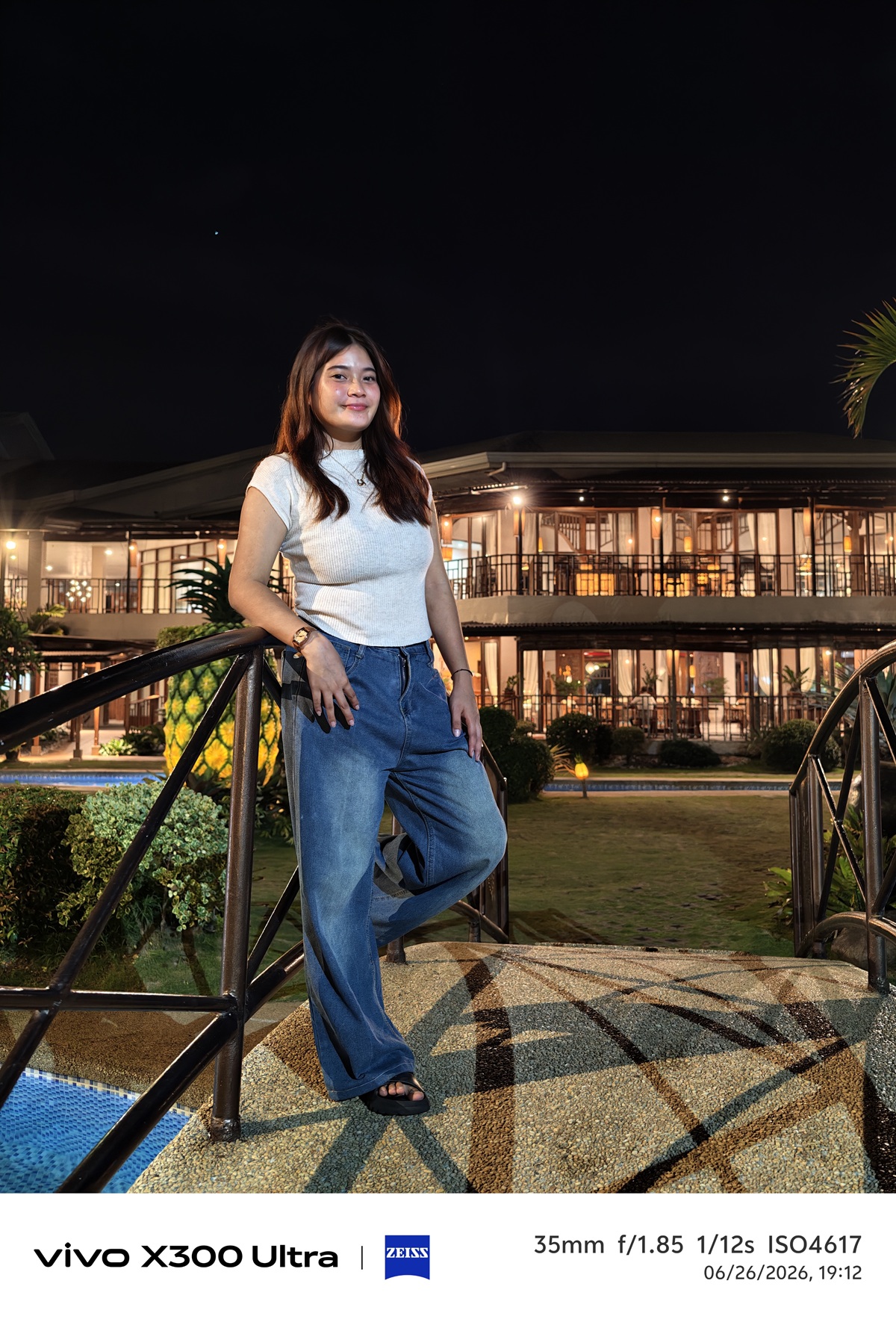

Portrait mode switches to a tighter 50mm equivalent focal length by default, which I think is more flattering. Skin tones look natural and subject separation is consistently accurate. The background blur also has a pleasing, camera-like look. There are several ZEISS portrait styles, filters, and color profiles to match different shooting styles.












If the main camera is excellent, the telephoto camera is what truly sets the X300 Ultra apart. It uses a 200MP sensor and is easily the best telephoto camera I’ve used on a smartphone so far.
It starts at an 85mm equivalent focal length and captures incredibly detailed portraits and distant subjects. Photos remain surprisingly usable even at around 460mm or 30x zoom. The maximum 105x zoom is less about image quality and more about utility, such as reading signs or spotting distant landmarks.







Several concert photos and videos that I posted on Facebook were captured using this telephoto camera. Quite a few people commented on the image quality and asked what smartphone I used. That’s probably the best compliment I can give it.
The vivo X300 Ultra can also be paired with the optional Photographer Kit, which includes a teleconverter lens that extends the native focal length to 200mm and 400mm. I chose to review the smartphone on its own without those accessories since that’s how most buyers will likely use it.
Video recording is just as impressive. All rear cameras support up to 8K at 30fps. I usually shoot in 4K at 60fps because it offers the best balance between image quality and stabilization. I also use 4K at 120fps whenever I want smooth slow-motion footage. Combined with the excellent telephoto camera, it’s a fantastic smartphone for shooting concerts and creating fan cams.
For more advanced users, the Pro Video mode supports 10-bit LOG recording, LUTs, subject tracking, and a cinematic film look. Personally, I mostly stick to the standard video mode because it already produces excellent-looking footage with minimal effort.



The 50MP selfie camera captures sharp, detailed selfies with natural-looking skin tones. It also performs well in low light.
The field of view isn’t as wide as some competing flagship smartphones, but it’s still wide enough for casual group selfies. It also supports video recording at up to 4K at 60fps for high-quality vlogs and video calls.
OS & UI
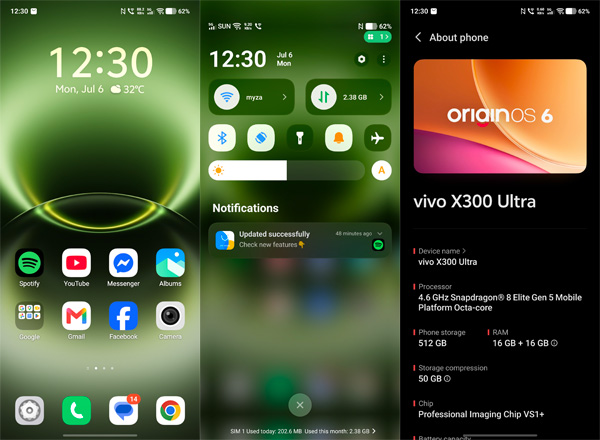
The vivo X300 Ultra runs Android 16 with OriginOS 6. The interface feels smooth and responsive. Animations are fluid and I never encountered any software glitches or stability issues during my review period.
OriginOS 6 is also highly customizable. There are plenty of options for wallpapers, icon styles, animations, and Always-on Display designs. It’s easy to personalize the phone without installing third-party apps.
AI features are integrated throughout the system. Circle to Search, AI writing tools, AI translation, document scanning, and AI-powered photo editing tools like object removal are all available. They’re useful additions that can save time during everyday use.
There are a few pre-installed apps out of the box, but most of them can be removed if you prefer a cleaner interface.
Overall, OriginOS 6 feels polished, stable, and easy to use. To top it off, vivo has promised five years of Android OS upgrades and seven years of security updates. That’s reassuring for anyone planning to keep the vivo X300 Ultra for several years.
CONNECTIVITY & SECURITY
The vivo X300 Ultra is a dual SIM smartphone with 5G connectivity. During my time with the device, it consistently delivered fast mobile data speeds in areas with good signal coverage and maintained a usable connection even in locations where reception was weaker.
Connectivity features are as comprehensive as you’d expect from a flagship smartphone. There’s support for eSIM, Wi-Fi 7, NFC, Bluetooth 6.0, and Hi-Res Wireless Audio for compatible audio devices.
For security, the vivo X300 Ultra uses an under-display ultrasonic fingerprint scanner alongside face unlock through the selfie camera. Both methods are fast and reliable.
BATTERY & CHARGING

The vivo X300 Ultra is equipped with a large 6,600mAh BlueVolt battery that easily lasts an entire day even with heavy use.
During my review period, it comfortably handled several hours of photography, video recording, gaming, social media browsing, and messaging before needing to be recharged at the end of the day. Lighter users should have no trouble stretching the battery life to almost two days on a single charge.
The bundled 100W FlashCharge adapter fully charged the battery in about 1 hour 35 minutes during my testing. I enabled fast charging in the battery settings and that reduced the charging time to 1 hour and 10 minutes only.
Honestly, I expected a faster charging time but that is still more than adequate considering the phone’s large battery capacity. A quick top-up before heading out also provides enough power for several more hours of use.
The vivo X300 Ultra also supports 40W wireless FlashCharge, making it a convenient option for users who prefer the simplicity of wireless charging.
CONCLUSION

The vivo X300 Ultra is easily one of the best camera smartphones available today.
It isn’t a smartphone I’d recommend to everyone. It’s expensive, large, and clearly designed around its camera system. But if photography is your top priority, you’ll be hard-pressed to find a better smartphone.
The cameras are the biggest reason to buy it. The combination of an excellent main camera, an outstanding telephoto camera, and professional-grade video recording makes it a fantastic choice for photographers, content creators, and anyone who wants DSLR-like image quality in their pocket.
Fortunately, vivo didn’t neglect the rest of the package. The X300 Ultra also delivers a gorgeous display, flagship-level performance, excellent battery life, fast charging, and a premium build quality with IP68 and IP69 dust and water resistance.
It’s not perfect. The large camera module makes the phone bulkier than most flagship smartphones, and there’s no dedicated camera shutter button for users who prefer physical controls. Those are minor compromises, though, for what is otherwise an exceptional camera-focused flagship.
If I were buying a smartphone primarily for its cameras, the vivo X300 Ultra would be at the top of my shortlist.
vivo X300 Ultra Review Summary
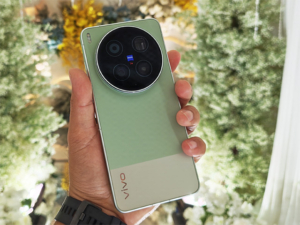
Built around its exceptional cameras, the vivo X300 Ultra delivers one of the best photography experiences on any smartphone today.

- 6.82-inch QHD+ AMOLED Display (1440 x 3168 Pixels), 510 ppi
- Android 16 Operating System
- Qualcomm Snapdragon 8 Elite Gen 5 (3 nm) Chipset
- 16GB of RAM
- 200 Megapixel Rear Camera with Triple LED Flash
- 50 Megapixel Front Camera
- Dual SIM
- 512GB Internal Storage
- 5G, 4G LTE, 3G HSPA+, 2G EDGE & GPRS Networks
- Wi-Fi 802.11 b/g/n/ac/6/7
- Bluetooth 6.0
- USB Type-C
- USB Type-C
- Fingerprint Sensor
- 6600mAh Battery
- 100W Fast Charging (vivo FlashCharge)
40W Wireless Charging - ₱109,999.00 Official Price in the Philippines